Signs Your Sidewalks, Driveways, or Patios Need Resurfacing
Signs your sidewalks, driveways, or patios need resurfacing often include cracks, uneven surfaces, or surface deterioration, and local service providers can restore their appearance and safety.
Property owners in the area often begin to notice signs that their sidewalks, driveways, or patios may need resurfacing. Cracks that widen over time, uneven surfaces, or areas where the surface has begun to deteriorate are common indicators. These issues not only affect the appearance of outdoor spaces but can also pose safety concerns or lead to more costly repairs if left unaddressed. Recognizing these signs early can help homeowners and property managers make informed decisions about maintenance and preservation, ensuring outdoor areas remain functional and attractive.
For those observing these kinds of problems, reaching out to experienced local contractors who specialize in resurfacing services can be a practical step. Professionals can assess the condition of surfaces and recommend appropriate solutions to restore durability and visual appeal. Whether it’s patching cracks, leveling uneven areas, or applying a fresh surface layer, skilled service providers are equipped to handle a variety of resurfacing needs, helping property owners maintain safe and inviting outdoor spaces.
- Sidewalk resurfacing may be needed when cracks, uneven surfaces, or trip hazards become apparent, and local contractors can restore safety and appearance.
- Driveway resurfacing becomes necessary if fading, potholes, or surface deterioration are visible, with service providers offering durable solutions to extend its lifespan.
- Patio resurfacing is often required when surface wear, staining, or cracking detracts from outdoor enjoyment, and local specialists can refresh the area efficiently.
- Signs your sidewalks, driveways, or patios need resurfacing include visible cracks, surface erosion, or discoloration, prompting local pros to evaluate and recommend appropriate repairs.
- Resurfacing services are suitable when existing surfaces show signs of aging or damage, with local contractors applying techniques to improve durability and aesthetics.
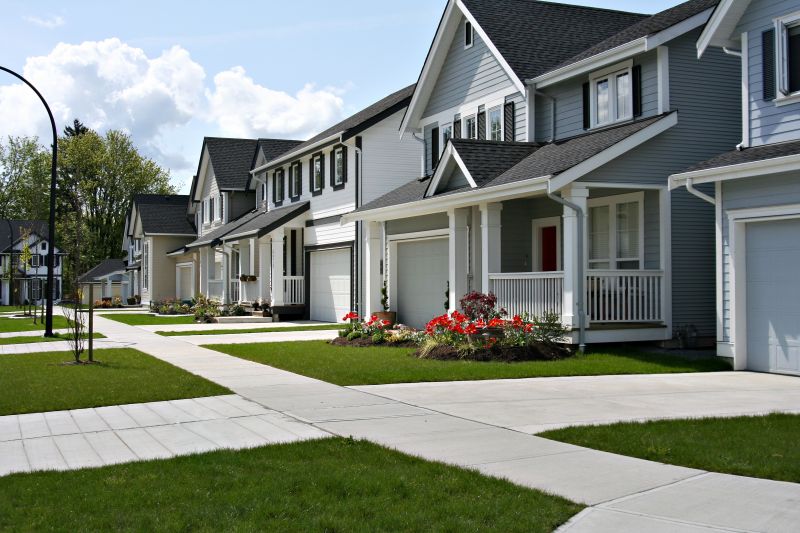
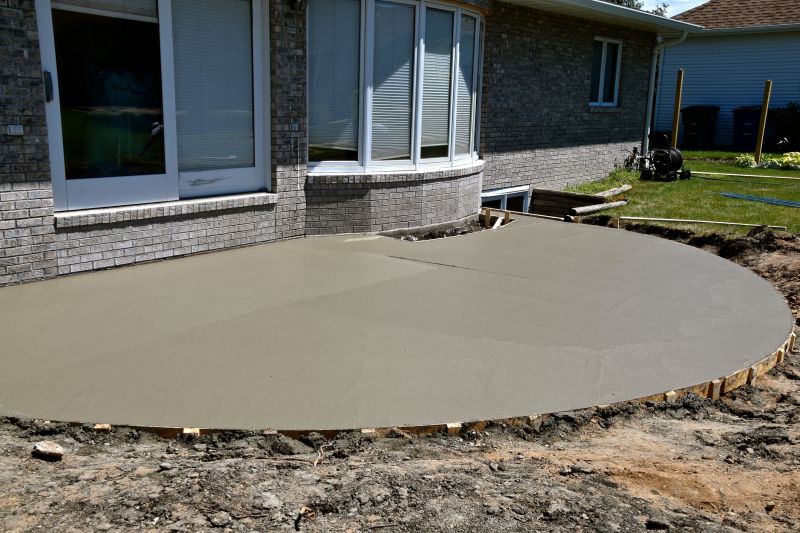
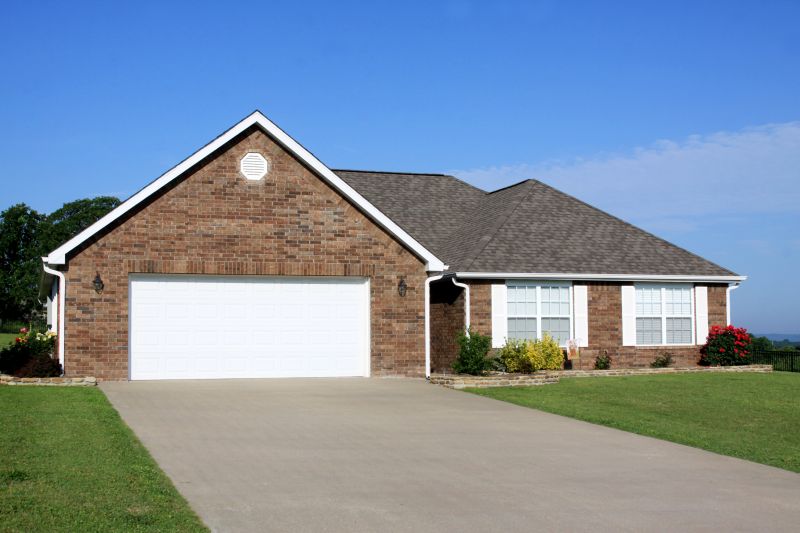
When homeowners search for signs their sidewalks, driveways, or patios need resurfacing, they are usually noticing visible indications that the existing surface is deteriorating or no longer performing as it should. Common signs include large cracks, uneven surfaces, and surface spalling or flaking. These issues often result from exposure to weather, repeated use, or aging materials, and can compromise the safety and appearance of outdoor spaces. Recognizing these signs early can help property owners determine whether a resurfacing project is necessary to restore functionality and curb appeal.
Many of these problems are linked to the ongoing wear and tear that outdoor concrete surfaces endure over time. Cracks can develop from ground movement or temperature fluctuations, while surface roughness or pitting might indicate that the top layer is breaking down. In some cases, staining or discoloration can also signal that the surface has lost its protective qualities. Resurfacing is often considered a practical solution for addressing these issues, providing a fresh, smooth, and more durable surface that extends the lifespan of the existing concrete. Homeowners planning renovations or improvements frequently look for signs that indicate the need for this type of repair.
The types of properties that typically require sidewalk, driveway, or patio resurfacing include residential homes, apartment complexes, and commercial establishments. Residential properties often show signs of aging in the form of cracked driveways or stained patios, especially in climates with harsh winters or intense sun exposure. Commercial properties, such as storefronts or office parks, may need resurfacing to maintain a professional appearance and ensure safety for visitors. Sidewalks in public or private settings are also common candidates for resurfacing when cracks or uneven surfaces threaten pedestrian safety or violate local codes.
Local service providers who specialize in sidewalk, driveway, or patio resurfacing play a vital role in helping property owners address these issues. They assess the condition of existing surfaces, identify the severity of damage, and recommend appropriate solutions. Resurfacing professionals can often restore a worn or damaged surface to a like-new condition, improving safety, aesthetics, and property value. For those noticing signs their sidewalks, driveways, or patios need resurfacing, connecting with experienced local contractors can provide the expertise needed to evaluate the situation and execute a quality repair or upgrade.
Concrete Repair - Professionals experienced in concrete repair can address cracks, spalling, and uneven surfaces that indicate resurfacing is needed for sidewalks, driveways, or patios.
Stamped Concrete Projects - Stamped concrete work involves surface preparation and finishing techniques similar to resurfacing, making it relevant for enhancing worn or damaged surfaces.
Patio Installation and Restoration - Local contractors specializing in patio installation or restoration often perform resurfacing to improve appearance and durability of existing patios.
Driveway Paving and Overlay - Paving and overlay services require planning and surface preparation skills comparable to those used in resurfacing sidewalks and driveways.
Concrete Resurfacing - This direct service involves applying a new layer over existing concrete, closely related to the skills needed for sidewalk, driveway, or patio resurfacing projects.
Landscape and Hardscape Design - Designing and installing hardscape features can involve surface prep and finishing techniques similar to those used in resurfacing damaged outdoor surfaces.
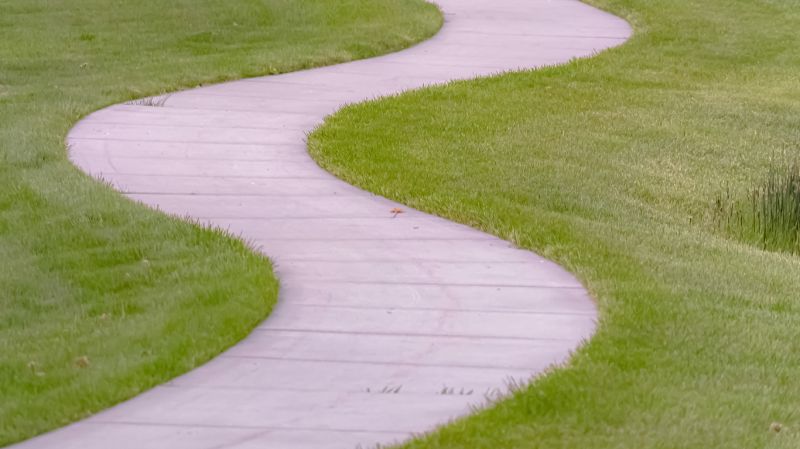
When evaluating service providers for sidewalk, driveway, or patio resurfacing, it’s important to consider their experience with similar projects. An experienced contractor will have a clear understanding of the specific challenges associated with different surfaces and materials, which can influence the quality and durability of the resurfacing work. Homeowners should inquire about the types of projects the contractor has completed in the past, especially those comparable in size and scope, to ensure they have the practical knowledge needed to handle the job effectively.
Clear written expectations are a key factor when comparing local contractors. A reputable service provider should be able to provide detailed descriptions of the resurfacing process, including the scope of work, materials to be used, and the estimated outcomes. Having this information in writing helps homeowners understand exactly what to expect, minimizes misunderstandings, and provides a basis for evaluating the professionalism of the contractor. It also allows for better comparison between different providers based on the transparency and thoroughness of their proposals.
Reputable references and good communication are essential components of a reliable resurfacing contractor. Homeowners should seek out local pros who can provide references from previous clients with similar projects, offering insights into their work quality and reliability. Additionally, a contractor’s responsiveness and willingness to answer questions clearly and promptly can indicate their level of professionalism and commitment to customer satisfaction. Effective communication ensures that expectations are aligned throughout the project, reducing the likelihood of surprises and fostering a smoother process from start to finish.
Property owners often search for signs your sidewalks, driveways, or patios need resurfacing when they are planning practical projects around their homes and businesses. Local pros provide Sidewalk, Driveway, or Patio Resurfacing services for everyday jobs and straightforward project options.
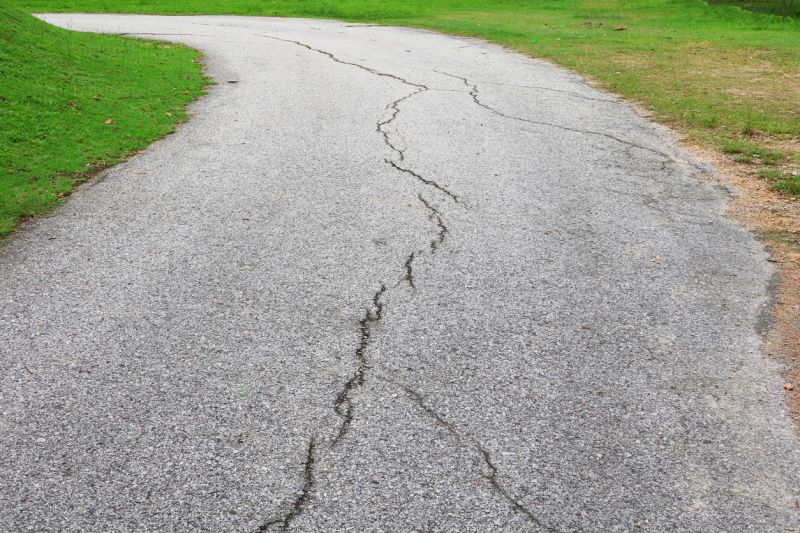
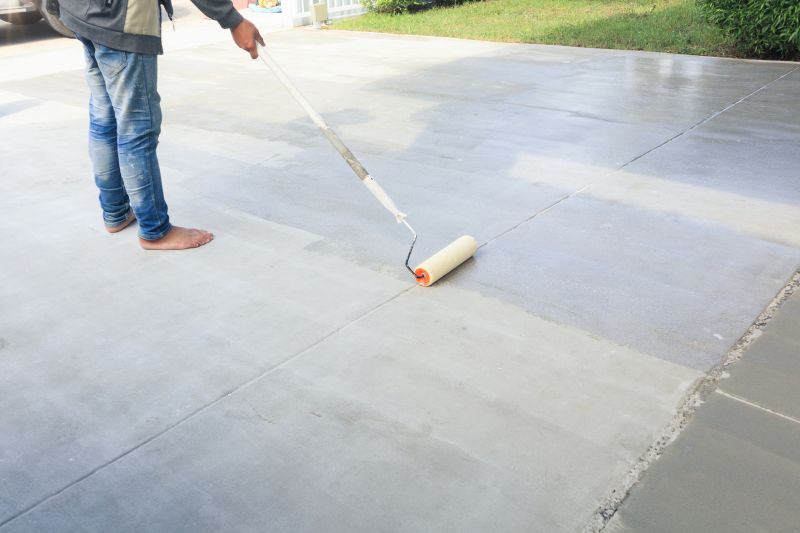
Property owners often notice cracks, uneven surfaces, or fading colors on their sidewalks, driveways, or patios, which can be clear signs that resurfacing may be needed. Over time, regular use, weather exposure, and shifting ground can cause these areas to develop visible damage, making walking or parking less safe and less attractive. When such issues become apparent, local contractors specializing in surface restoration can assess the condition and recommend appropriate resurfacing solutions to restore the area’s appearance and functionality.
Additionally, surface deterioration might include loose or crumbling material, pooling water in low spots, or surface roughness that can pose tripping hazards or make maintenance more difficult. These signs often indicate that the existing surface has reached a point where resurfacing can help extend its lifespan and improve its overall look. Service providers in the area are equipped to handle these projects, offering options to refresh worn-out surfaces and prevent further damage, ensuring that walkways, driveways, and patios remain safe and visually appealing.
What are common signs that sidewalks, driveways, or patios need resurfacing? Visible cracks, uneven surfaces, and significant wear or spalling are typical indicators that these surfaces may require resurfacing services from local contractors.
How can I tell if my driveway or patio has structural damage? Structural damage often presents as deep cracks, sinking sections, or shifting slabs, which can be addressed by local service providers specializing in resurfacing solutions.
Are surface discolorations or stains signs of resurfacing needs? Yes, extensive staining, fading, or surface deterioration can suggest that resurfacing is necessary to restore appearance and durability, with local contractors able to assess and perform the work.
What issues indicate that a sidewalk or patio may be unsafe to use? Trip hazards caused by uneven surfaces, large cracks, or loose slabs are signs that resurfacing services from local pros could improve safety and surface integrity.
When should I consider resurfacing instead of replacing my outdoor surfaces? Resurfacing is typically recommended when surface damage is extensive but the underlying structure remains sound, and local contractors can evaluate whether resurfacing is appropriate.
Cracks and Potholes - When cracks or potholes appear on sidewalks, driveways, or patios, local contractors can provide resurfacing solutions to restore a smooth surface.
Uneven Surfaces - Noticeable unevenness or sinking areas indicate the need for resurfacing services to improve safety and appearance.
Surface Wear and Fading - Faded or worn-out surfaces can be revitalized with resurfacing to enhance curb appeal and durability.
Water Drainage Issues - Poor drainage or pooling on surfaces suggests resurfacing may be necessary to ensure proper runoff and prevent damage.
If you are thinking about signs your sidewalks, driveways, or patios need resurfacing for a property, this guide is meant to help you understand this topic, the typical project types, and how different options might fit your plans.
When you are ready, you can use the quote form on this page to share a few details about your project. From there, local pros can review the basics and follow up with options that match what you have in mind.